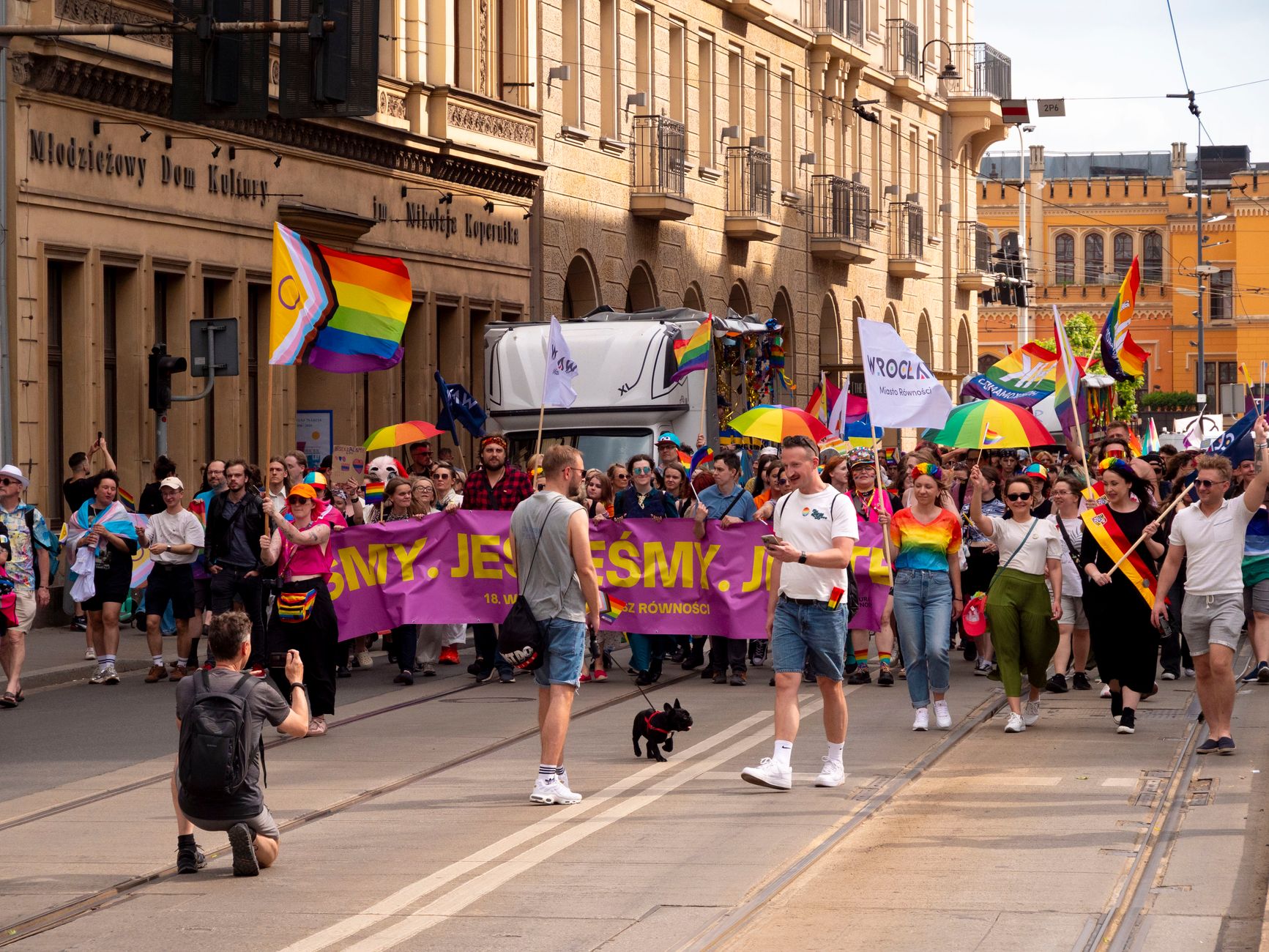
June is packed with cultural moments—Pride Month, Juneteenth, LGBTQ+ community celebrations, and other June observances that many organizations mark with campaigns, events, fundraising pages, and social content. These initiatives often aim to communicate belonging and equity. But if the digital experience is hard to use for people with disabilities, the message can unintentionally exclude the very audiences you’re trying to welcome.
Digital accessibility is the bridge between intent and impact. Aligning June content with the Web Content Accessibility Guidelines (WCAG) and inclusive design practices helps ensure your Pride and June observance experiences work for people who use screen readers, keyboard navigation, voice input, captions, high contrast settings, and other assistive technologies.
Seasonal campaigns can quickly become accessibility “hot spots” because they often include new landing pages, third-party embeds, pop-ups, event registration flows, and media-heavy posts. A Pride Month page might feature rotating banners, rainbow gradients, animation, or event calendars—elements that can cause barriers if not implemented carefully.
Using June observances as an accessibility checkpoint offers two benefits:
Inclusive design recognizes that disability is part of human diversity—just like gender identity, sexual orientation, race, and language. Pride Month often spotlights intersectionality, and digital accessibility is a practical way to honor that principle.
In practice, inclusive design means planning for different ways people perceive, understand, and interact with your content. If you’re new to designing for varied cognitive needs, the article A Plain-Language Guide to Cognitive Accessibility (COGA) is a helpful starting point for writing and structuring content that’s easier to process.
Below are common Pride/June campaign patterns mapped to practical WCAG-aligned actions. You don’t need to do everything at once—start with the items most likely to block access.
Pride visuals often rely on vibrant gradients and color-coded meaning. Keep the celebration, but avoid making color the only way to convey information and ensure text remains readable.
Animated confetti, parallax effects, and auto-rotating carousels are common in celebratory pages but can trigger vestibular disorders or distract users.
prefers-reduced-motion is enabled.June campaigns often feature founder stories, community spotlights, or event promos.

Pride pages often include donation forms, volunteer sign-ups, ticketing, and newsletter opt-ins. Forms are high impact: when they fail, users can’t participate.
Many June observances rely on fast-moving social content. Small habits make a big difference:
June campaigns can be the first time an organization realizes its website has accessibility gaps. Publishing (and maintaining) an accessibility statement helps set expectations, share support contact options, and show commitment to improvement.
Accessibility also isn’t a one-time project—especially if you update landing pages daily, publish new videos, or rotate event content. Tools like Corpowid (corpowid.ai) can help teams run automated accessibility audits and ongoing monitoring to catch regressions as new Pride or June observance assets go live.
June is also full of sports and public events that drive traffic spikes and high-stakes user journeys (tickets, schedules, streaming, and live updates). If your June observances connect to sporting events, fan engagement, or summer programming, designing for accessibility improves the experience for everyone—including users on mobile, older devices, or in bright outdoor lighting. For more on this, see Summer Sports Beyond the World Cup: Accessible Digital Experiences for Every Fan and 2026 FIFA World Cup: Building Accessible Digital Fan Experiences for Everyone.
The most meaningful outcome of June observances is not a temporary campaign—it’s lasting inclusion. Treat the work you do now as a template for future content launches.

If you have limited time, run this fast check before promoting a Pride or June observance landing page:
To scale beyond spot checks, Corpowid (corpowid.ai) can help identify recurring WCAG issues across templates and track progress as you ship new campaign updates.
Pride Month and other June observances ask organizations to show up with authenticity. Accessible digital design is one of the clearest ways to do that—because it turns values into real participation. When your pages, forms, media, and navigation work for people with disabilities, your celebration becomes more open, more credible, and more human.
The ADA Title II deadline extension may look like extra time, but for many public entities it mainly shifts pressure rather than removing it. Here’s why waiting can increase accessibility risk and what teams should prioritize now.
A year into the European Accessibility Act, businesses are moving from theory to operational readiness. Here’s what enforcement has actually looked like, where teams are getting caught out, and how to build a stronger accessibility process.
Corpowid has been recognized by Gartner, a leading global research and advisory firm, for our innovation and performance in digital accessibility. These badges reflect our commitment to creating inclusive, AI-powered web experiences.





 TR
TR