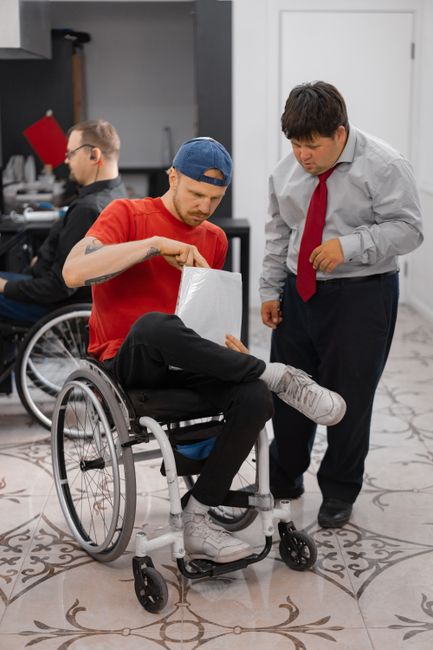
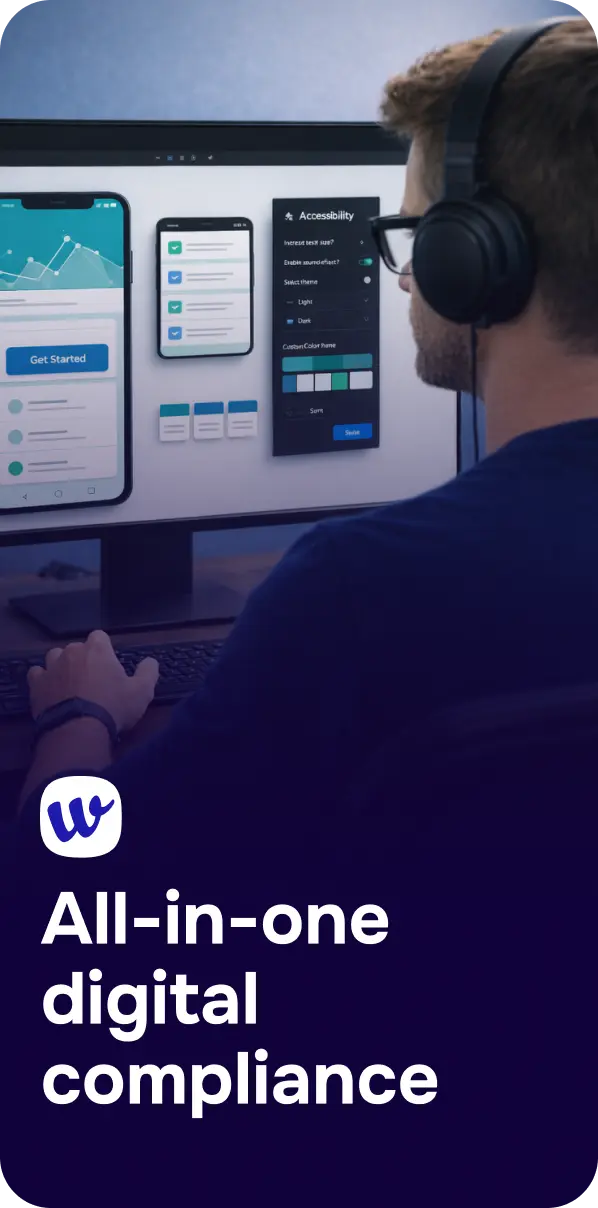
Africa’s digital economy is expanding quickly—mobile-first services, e-government portals, fintech, health platforms, and learning tools are reaching more people every year. But “more people” doesn’t automatically mean everyone. Creating inclusive pathways to Africa’s digital future means designing and maintaining online experiences that work for people with disabilities, older adults, people using low-cost devices, users with temporary impairments, and communities navigating low bandwidth or shared access.
Digital accessibility is the practical way to make inclusion real. It ensures that websites and apps can be used with assistive technologies (like screen readers), with only a keyboard, with captions and transcripts, and with clear structure and contrast. The most widely adopted guidance is the Web Content Accessibility Guidelines (WCAG), which organizations can use to reduce exclusion and improve compliance risk management at the same time.
Africa is often described as “mobile-first,” but in practice it can be “mobile-only,” especially outside major urban centers. Accessibility supports this reality by improving usability across device types and constraints. Many WCAG techniques—clear headings, readable text, strong contrast, predictable navigation—also help users on small screens, in bright sunlight, or with intermittent connections.
WCAG is organized around four principles: content must be Perceivable, Operable, Understandable, and Robust (POUR). These principles map well to real-world challenges across African markets and services.
Users can’t engage with information they can’t perceive. Improve perceivability by focusing on:

Operability is crucial for keyboard users and people with motor impairments, but it also improves general usability. Priorities include:
Accessible design isn’t only about assistive technology—it’s also about clarity. For services like payments, healthcare, and government, confusion can become a barrier with real consequences. Improve understandability by:
Robustness means your experience remains usable as technologies evolve. Use semantic HTML, proper ARIA where needed (not everywhere), and test with multiple browsers and assistive tools.
WCAG conformance is a valuable target, but inclusive pathways require a process—not a one-time project. A practical approach combines design, development, content, and governance.
Inclusion means designing for people’s constraints, not just ideal lab settings. Consider:

As digital services expand, consent flows (cookies, tracking, and data choices) become unavoidable. These must be accessible and understandable, particularly on mobile. If you’re updating these patterns, align with WCAG 2.2 interaction expectations and consider reading How to Make Your Cookie Banner Accessible: WCAG 2.2 Requirements for Consent.
Accessibility and privacy also intersect in how choices are signaled and honored. Teams working with opt-out frameworks can benefit from Global Privacy Control and Universal Opt-Out Signals: Preparing Before Enforcement, especially when building consistent, accessible preference centers.
Africa’s linguistic diversity is a strength, but it can become a barrier if language handling is inconsistent. Accessibility best practice includes properly declaring language in code, ensuring screen readers use the right pronunciation rules, and designing UI layouts that accommodate longer translations.
Consent and legal content are often the first to be “English-only,” which can undermine trust. If you serve multiple languages, Multilingual Consent: Write Once, Publish in Every Language You Serve offers a practical way to operationalize consistency without sacrificing local relevance.
Many organizations look for a quick fix and consider accessibility overlays or widgets. While some tools can help users adjust presentation, overlays alone don’t reliably make a site WCAG-compliant, and they can introduce usability issues. It’s important to understand the difference between assistive UI controls and remediation (fixing the underlying code and content). For a deeper look at risks and best practices, see Why Accessibility Overlays Get Sued — and What Real Remediation Looks Like.
A balanced approach is to treat any widget as a supplement—not a substitute—for accessibility engineering, content standards, and continuous QA.
Accessibility succeeds when it becomes routine. That means clear ownership, repeatable checks, and measurable improvements. A simple operating model includes:
Platforms like Corpowid (corpowid.ai) can support this lifecycle by automating accessibility audits, continuously monitoring for regressions, and helping teams generate and maintain accessibility statements—useful when multiple sites, languages, or regional brands are involved.

Accessibility becomes even more essential when digital platforms deliver critical information—disaster updates, climate adaptation resources, healthcare access, or public benefits. When services go digital-first, barriers can exclude the people who need support the most. If your organization works at the intersection of digital delivery and climate action, COP31 and Accessibility: Making Climate Action Digital-First and Inclusive highlights why accessible pathways are part of resilience planning.
Accessible design expands reach, improves usability, and strengthens trust—especially in markets where digital services are becoming the primary gateway to finance, education, and government support. Creating inclusive pathways to Africa’s digital future isn’t only a compliance exercise; it’s a commitment to equal participation.
When teams combine WCAG-aligned design, real-user testing, and continuous monitoring—supported by tools such as Corpowid (corpowid.ai) for audits and ongoing oversight—they can scale digital growth without leaving people behind.
Corpowid has been recognized by Gartner, a leading global research and advisory firm, for our innovation and performance in digital accessibility. These badges reflect our commitment to creating inclusive, AI-powered web experiences.








 TR
TR