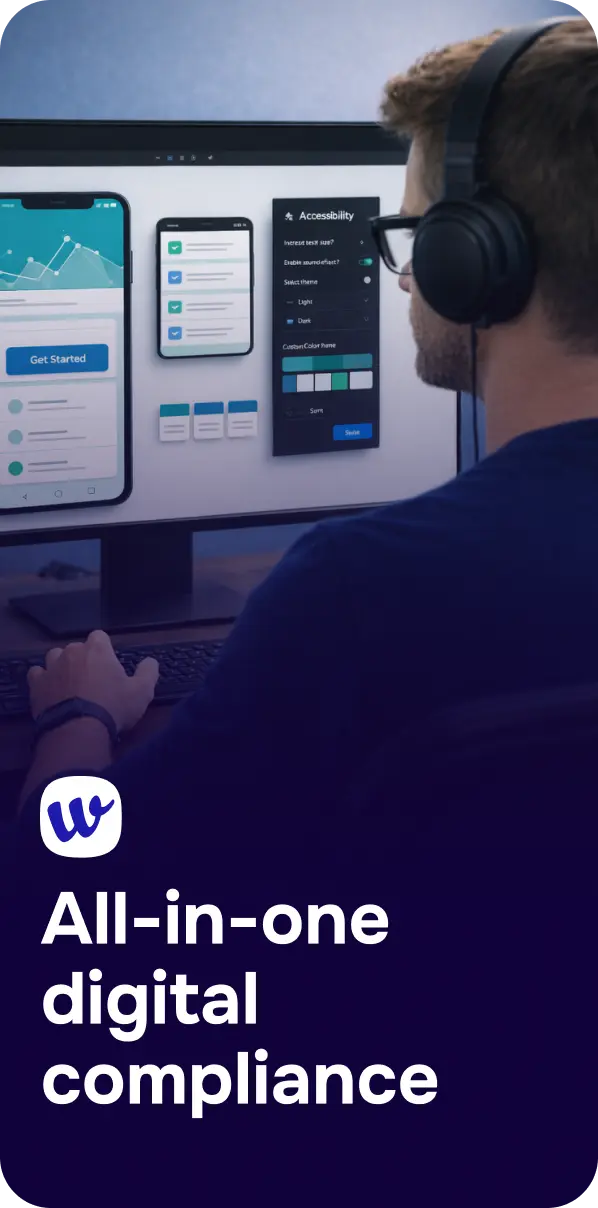
The European Accessibility Act (EAA) is changing what “accessible by default” means for digital products and services across the EU. If your organization offers websites, apps, e-commerce, digital documents, or customer portals to EU users, accessibility is no longer optional—it’s a compliance and customer experience requirement.
That’s why so many teams search for a free EAA audit. The good news: a free audit can quickly reveal common WCAG failures and help you prioritize fixes. The catch: many “free audits” are essentially automated scans, which are helpful—but incomplete. This article explains what a free EAA audit can realistically do, how to run one responsibly, and how to turn results into an EAA-ready accessibility program.
The EAA is EU legislation designed to improve access to key products and services for people with disabilities, including digital services. For many organizations, “EAA compliance” effectively means meeting recognized accessibility standards, most commonly WCAG (Web Content Accessibility Guidelines), and being able to demonstrate ongoing efforts to maintain accessibility.
An EAA audit is a structured evaluation of your digital experience—often a website—against accessibility requirements. Practically, it answers questions like:
Most free EAA audits are automated accessibility scans. They crawl a page (or a small set of pages) and flag detectable WCAG issues. This is valuable because it can uncover high-impact problems fast—especially across templates.
A free scan often identifies:
alt text on imagesHowever, automated tools cannot reliably evaluate many of the most important user experience barriers, such as:
If you’ve ever run a scanner and thought “this looks fine,” then watched a real keyboard-only or screen reader user struggle—that gap is why audits should combine automation with targeted manual testing. If you want a comparison point on what “free audit” claims usually mean in practice, see Free ADA Audit: What You Really Get and How to Use It to Improve WCAG Compliance; the strengths and limitations translate well to EAA prep.
To make a free audit useful for EAA readiness, treat it like a triage step rather than a final verdict.
EAA risk is usually highest where users complete tasks: account creation, checkout, quote flows, appointment booking, payment, and customer support. Include:
Automated scans can produce long lists. The fastest path to impact is to cluster findings by shared components: navigation, footer, form fields, buttons, card layouts, and modal patterns. Fixing a header template once can resolve dozens of repeated errors.
Platforms like Corpowid (corpowid.ai) help teams run automated audits and ongoing monitoring so regressions don’t reappear after each release—useful when you’re moving from a one-time check to continuous EAA readiness.

Even without a specialist team, you can add lightweight manual verification to complement a free scan:
These checks frequently uncover “silent failures” that create real barriers for users, even when the automated score looks decent.
An audit only matters if it leads to changes. Use your results to build a plan that is understandable to product owners, designers, developers, and legal/compliance stakeholders.
Not all defects are equal. Consider prioritizing in this order:
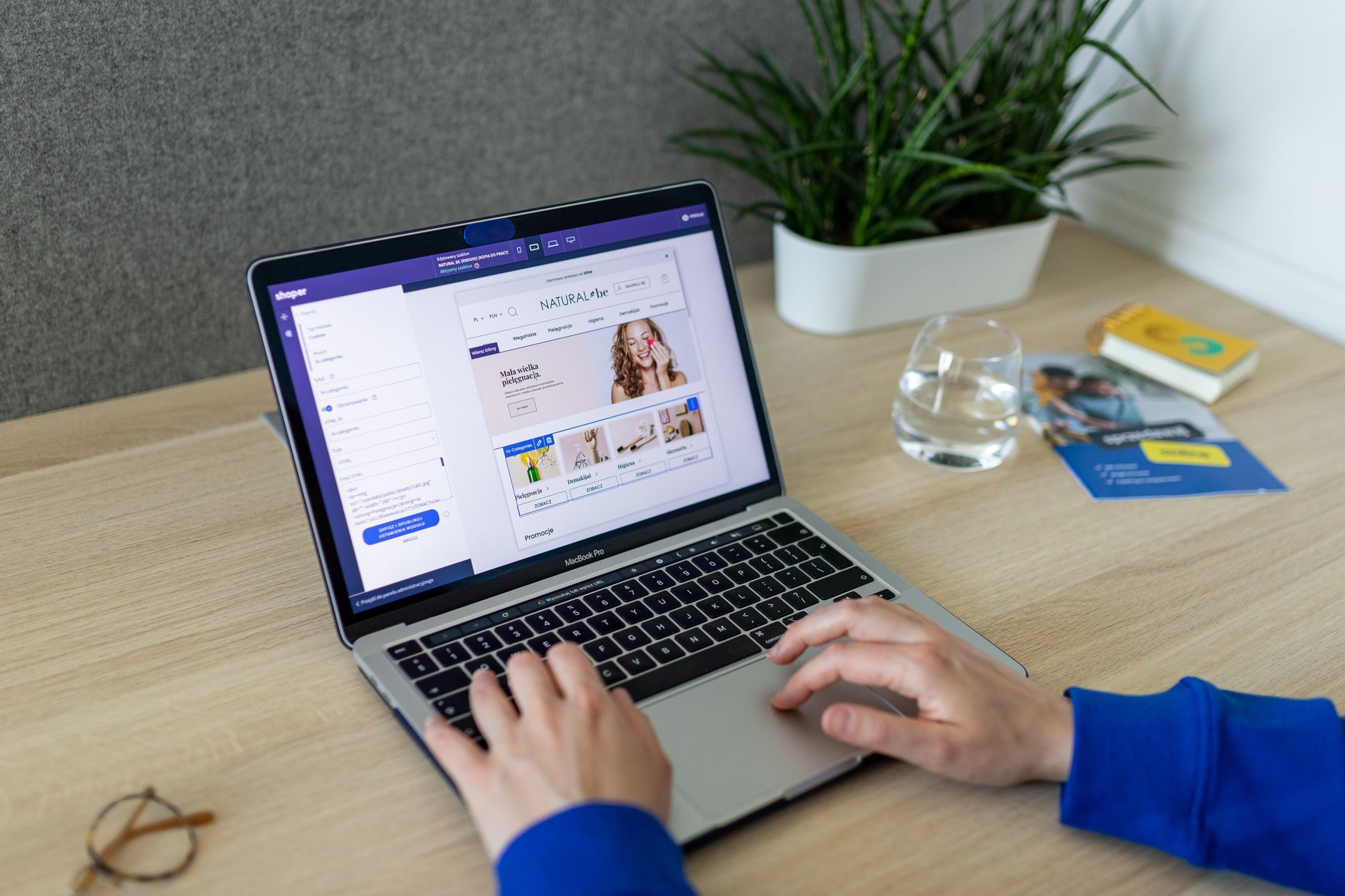
Many accessibility issues remain open because tickets lack specifics. Each ticket should include:
If your organization also needs formal documentation of accessibility conformance (common in procurement), factor in the time and cost of that documentation. This guide is helpful context: VPAT Cost: What It Really Takes to Document Accessibility Compliance.
Some vendors market overlays/widgets as a shortcut to pass an audit. Overlays can provide helpful features (like contrast toggles or text resizing), but they don’t automatically fix underlying WCAG failures in code, design, and content. In other words: a widget may improve usability for some users, but it’s not a substitute for accessible components, correct semantics, and proper testing.
If you do use an overlay, treat it as one layer in a broader program. Corpowid (corpowid.ai) combines audit and monitoring with tools like an accessibility widget and accessibility statement support—most effective when paired with real remediation work.
EAA readiness is easier when accessibility is built into design decisions upfront. Inclusive design helps reduce audit findings by preventing them.
Practical inclusive design habits include:
Industries with complex user journeys—like financial services and insurance—often see outsized benefits from inclusive design because it reduces friction for everyone. For a sector-specific example, consider Digital Accessibility for Insurance Companies: A Practical WCAG Compliance Guide.
Accessibility compliance isn’t theoretical. Media accessibility has been the subject of high-profile legal action, emphasizing why captions, transcripts, and accessible players are essential parts of the digital experience. A well-known case study is Netflix and Closed Captions: A Landmark Accessibility Settlement, which shows how accessibility expectations can become enforceable commitments.
AI can accelerate parts of auditing and documentation by summarizing issues, suggesting fixes, or helping draft conformance language—but human review still matters for user experience, intent, and accuracy. If you’re exploring AI-assisted compliance artifacts, this is a useful perspective: How AI Is Changing VPAT Creation—and Where Human Review Still Matters.

A free EAA audit is a smart first move—but EAA readiness comes from consistent practices: accessible design systems, tested components, content standards, and continuous monitoring. Start with a free scan to identify obvious gaps, then build a repeatable process that keeps your digital experiences usable for everyone.
Small accessibility issues on product and checkout pages can create major friction for shoppers and compliance risk for businesses. Here are the e-commerce accessibility UX fixes that deserve attention first.
Choosing between an accessible HTML report and a tagged PDF affects usability, accessibility, maintenance, and compliance readiness. Here’s how to decide which format to publish and when a dual-format approach may be the better option.
Corpowid has been recognized by Gartner, a leading global research and advisory firm, for our innovation and performance in digital accessibility. These badges reflect our commitment to creating inclusive, AI-powered web experiences.



 TR
TR