America’s 250th Anniversary (often called “America 250”) will inspire a wave of digital experiences: commemorative websites, interactive timelines, virtual museum tours, livestreamed ceremonies, online ticketing, volunteer sign-ups, and educational resources for schools. That scale is exciting—but it also raises a simple question: will everyone be able to participate?
Digital accessibility ensures people with disabilities can use websites and apps with the same effectiveness as everyone else. As organizations plan America 250 content and services, aligning with WCAG (Web Content Accessibility Guidelines) and accessibility compliance expectations (including ADA-related risk for public-facing sites and Section 508 obligations for many public entities) is a practical way to honor the anniversary’s civic spirit: inclusion, participation, and equal access.
Anniversary programming won’t live in one place. A typical America 250 ecosystem may include:
If any of these experiences are inaccessible, users can be blocked at critical moments—finding event details, completing registration, reading a historical document, or watching a keynote. Accessibility is also a trust issue: public history projects are meant to welcome the public, not inadvertently exclude it.
Commemorations often emphasize “We the People.” Accessible design turns that phrase into an operational reality online. It supports people who are blind or have low vision, Deaf and hard-of-hearing users, people with limited mobility who rely on keyboards or switch controls, and people with cognitive disabilities who benefit from clear, consistent interfaces.
America 250 content will likely be media-heavy and interactive—exactly the kind of content that can drift out of compliance if accessibility isn’t built in from the start. Watch for these frequent issues:
WCAG is comprehensive, but many issues cluster around a few fundamentals. If you’re triaging, focus on the barriers that most often prevent someone from completing a task.
Users should be able to reach every interactive element (menus, filters, modals, carousels, maps, accordions) using Tab/Shift+Tab and activate controls without a mouse. Ensure:
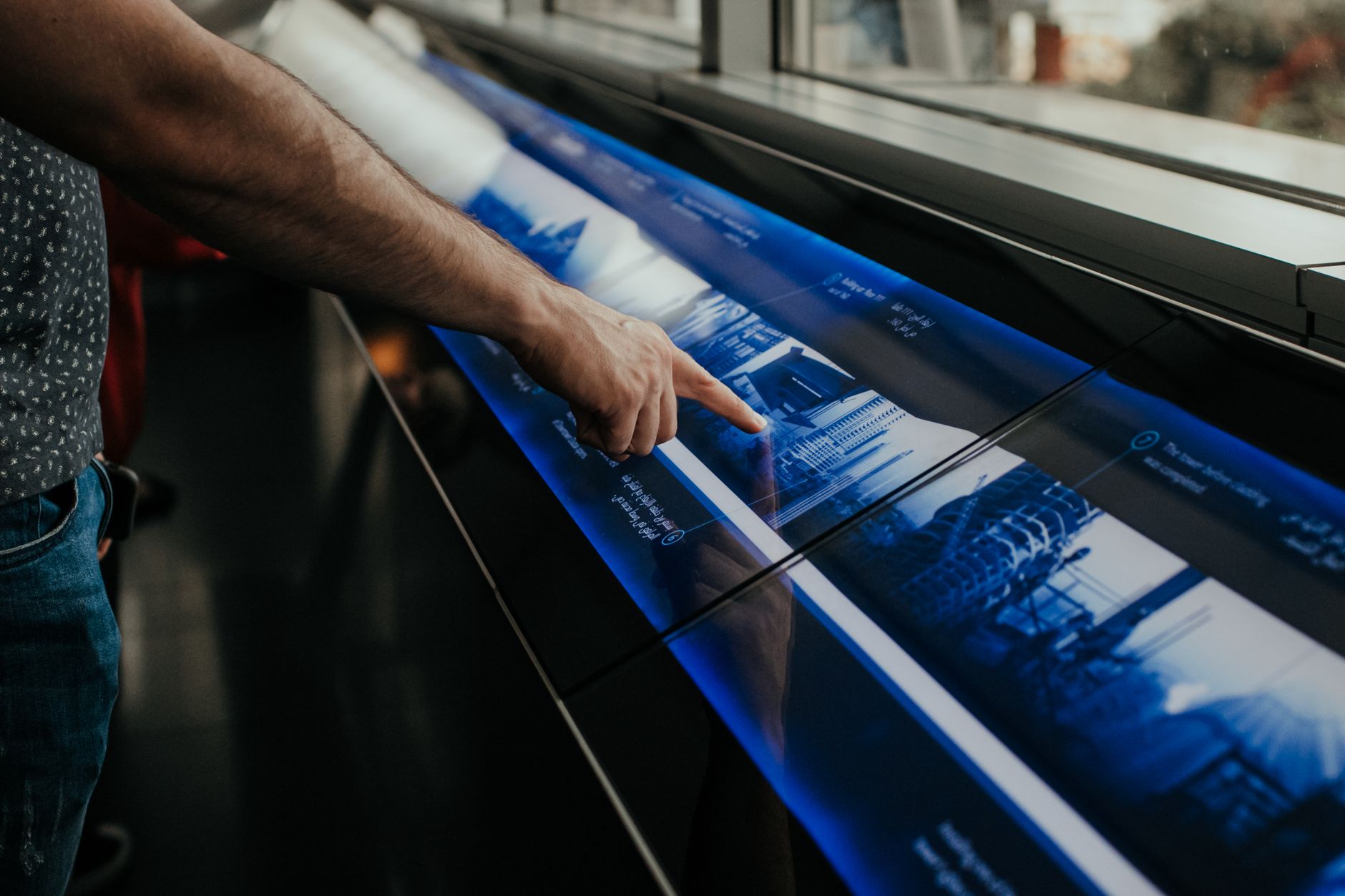
America 250 sites will include portraits, scanned letters, posters, and artifact photography. Use:
Livestreams, oral histories, and educational videos should include accurate captions. For important visual-only context (like on-screen text, maps, or demonstrations), consider audio description or a well-structured transcript. This not only supports Deaf users—captions help people in noisy environments, multilingual audiences, and anyone watching without sound.
Anniversary programming spans generations. Keep pages understandable with:

For many public-sector organizations and vendors, accessibility obligations aren’t optional. While requirements vary, aligning to WCAG 2.1 AA (and increasingly WCAG 2.2) is a common benchmark for demonstrating due diligence. If your America 250 initiative involves procurement, documentation, or government partnerships, you may also need a VPAT (Voluntary Product Accessibility Template). For a practical overview, see VPAT services: what they include, who needs them, and how to choose a provider.
An accessibility statement should do more than exist—it should help users. Include what standards you aim to meet, known limitations, and a contact method for reporting barriers. Setting expectations and maintaining a feedback loop is especially important during a high-traffic anniversary campaign with frequent content updates.
America 250 won’t only be about history pages. The digital “surface area” often includes adjacent services that must be accessible, too:
Anniversary websites tend to ship quickly, then evolve weekly. Accessibility succeeds when it’s treated as a process, not a one-time checklist.
Platforms like Corpowid (corpowid.ai) can support this lifecycle by running automated accessibility audits and ongoing monitoring, helping teams spot common WCAG issues across pages and templates before they become public-facing problems.

Automated testing is valuable, but it won’t fully capture real assistive technology behavior or the lived experience of users with disabilities. For example, a page can “pass” many automated checks yet still be confusing, overly verbose, or hard to complete with a screen reader. Incorporate usability sessions with people with disabilities for critical paths like ticket purchases, volunteer sign-ups, and donation flows. The case for this is well explained in why user testing with people with disabilities beats any automated tool.
America’s 250th Anniversary is an opportunity to expand civic participation—especially online, where people engage regardless of location, schedule, or mobility. By grounding digital experiences in WCAG, inclusive design practices, and an ongoing audit-and-improve process, organizers can ensure the celebration is not only memorable, but accessible. If you need a repeatable way to track progress as content grows, Corpowid (corpowid.ai) can help teams identify and monitor accessibility issues across evolving America 250 sites, supporting better experiences for everyone.
The ADA Title II deadline extension may look like extra time, but for many public entities it mainly shifts pressure rather than removing it. Here’s why waiting can increase accessibility risk and what teams should prioritize now.
A year into the European Accessibility Act, businesses are moving from theory to operational readiness. Here’s what enforcement has actually looked like, where teams are getting caught out, and how to build a stronger accessibility process.
Corpowid has been recognized by Gartner, a leading global research and advisory firm, for our innovation and performance in digital accessibility. These badges reflect our commitment to creating inclusive, AI-powered web experiences.



 TR
TR