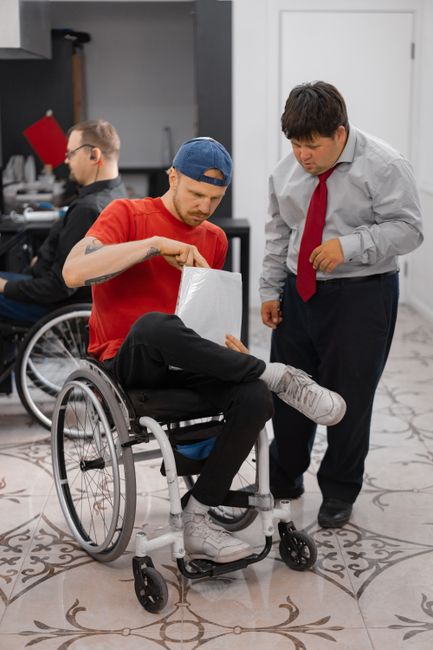
Rwanda’s push for modern, digital-first services has created new opportunities for learning, entrepreneurship, financial inclusion, and access to government support. But “digital inclusion” only works when digital experiences are usable by everyone—including people with disabilities, older adults, and people using low-bandwidth connections or assistive technologies. In practice, Rwanda digital inclusion depends on building services that meet internationally recognized accessibility expectations such as the Web Content Accessibility Guidelines (WCAG).
Accessibility isn’t a niche add-on. It’s a quality and equity standard that improves usability for the broader population, reduces support costs, and helps institutions manage compliance risk. Whether an organization is delivering e-government services, mobile money, education platforms, or public information, accessible design ensures people can perceive, operate, and understand digital content regardless of ability.
Digital inclusion typically refers to the ability of all people to access and benefit from digital technologies. For accessibility, this means removing barriers that prevent people with disabilities from completing essential tasks online. Common examples include:
When these needs are considered early, digital services become more resilient for everyone—including users on older devices, in rural areas, or with intermittent connectivity.
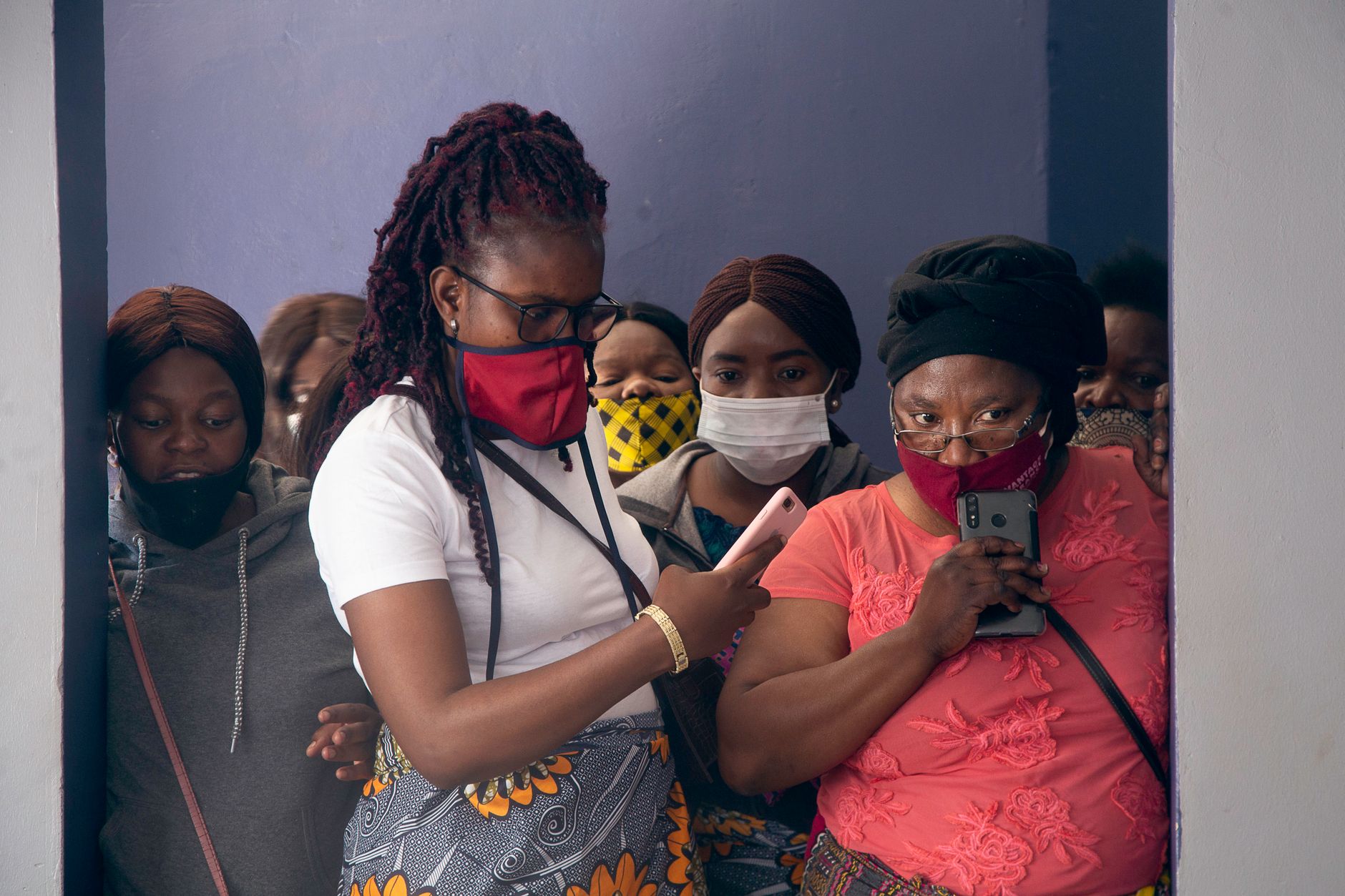
WCAG is the most widely adopted global standard for web accessibility. It provides testable success criteria organized around four principles: content must be Perceivable, Operable, Understandable, and Robust (POUR). Many countries and institutions use WCAG 2.1 (and increasingly WCAG 2.2) as the benchmark for digital accessibility programs.
For organizations serving the public in Rwanda, aligning with WCAG helps:
This is especially relevant for public-sector services. Inclusive digital government requires more than digitizing forms; it requires designing services that everyone can actually complete. For perspective on why accessibility should be a core part of public digital policy, see Government Must Ensure Digital Transformation Is Inclusive.
Many accessibility problems are not “advanced.” They’re avoidable issues that slip in when teams move fast or rely on visual-only QA. Addressing these barriers can immediately improve inclusion for Rwandan users accessing services on phones, shared devices, or assistive tech.
Forms drive critical interactions: applying for services, creating accounts, submitting complaints, or making payments. Accessibility blockers include missing labels, unclear error messages, timeouts without warnings, and focus that jumps unpredictably.
label elements tied to each inputLow contrast text, thin fonts, and UI elements that break when users zoom are common on modern responsive sites. WCAG includes contrast requirements and guidance for text resizing and reflow.
Public notices, training materials, and announcements are often shared as videos or PDFs. Without captions, transcripts, and accessible document structure, these materials exclude many users.
WCAG compliance is the destination, but inclusive design is the route that helps teams get there reliably. Inclusive design means designing with diverse users in mind from the start, then validating with testing.
Digital inclusion in Rwanda also means respecting device and connectivity constraints. Accessibility and performance often reinforce each other: simpler layouts, clearer navigation, and fewer heavy scripts can improve both usability and compatibility with assistive technologies.
Many accessibility failures come from content updates—new banners without alt text, PDFs uploaded without structure, or third-party widgets that trap keyboard focus. To scale inclusion:
Accessibility also matters across industries beyond government. If you’re building or modernizing consumer journeys—such as service booking, product browsing, or financing—consider how inclusive UX increases conversion and reduces friction, as explored in Digital Accessibility for the Automotive Industry: WCAG Compliance and Inclusive Customer Journeys and Digital Accessibility for Real Estate Platforms: WCAG, Inclusive UX, and Compliance.
Accessibility isn’t a “launch and forget” activity. Websites evolve constantly—new pages, new campaigns, design refreshes, and third-party integrations. Sustainable digital inclusion requires a program that combines:
Platforms like Corpowid (corpowid.ai) support this lifecycle by running automated accessibility audits, monitoring changes over time, and helping teams maintain an accessibility statement—useful when multiple departments publish content or when services are updated frequently.
Some organizations look for quick fixes, such as overlays or widgets that claim to “make a site accessible.” While certain interface tools can help users customize display preferences, they do not replace WCAG-conformant code, accessible forms, or properly structured content. Real inclusion comes from fixing issues at the source. For a deeper explanation, read Accessibility Overlays Are Not Enough: What WCAG Compliance Really Takes.

To make Rwanda digital inclusion measurable (not aspirational), organizations can track a few practical indicators:
Regional momentum also matters: when neighboring markets prioritize inclusive digital economies, expectations rise across borders. A useful example of regional commitment is Zimbabwe Reaffirms Commitment to an Inclusive Digital Economy at WSIS Forum 2026, which highlights how inclusion is increasingly treated as a core pillar of digital policy and growth.
If you’re responsible for a digital service—public or private—start with a clear baseline. Run an accessibility audit, prioritize fixes that block key tasks (registration, payments, applications), and build accessibility into design and development workflows. Over time, monitoring and governance prevent regression and reduce the long-term cost of compliance.
Whether you’re modernizing a ministry portal, a fintech app, an education platform, or a high-traffic corporate site, tools such as Corpowid (corpowid.ai) can help teams detect common WCAG issues early and track improvements over time—supporting a more inclusive digital Rwanda where services are usable by everyone.
Corpowid has been recognized by Gartner, a leading global research and advisory firm, for our innovation and performance in digital accessibility. These badges reflect our commitment to creating inclusive, AI-powered web experiences.








 TR
TR