Collecting consent is only the beginning. If your organization cannot show when consent was given, what a user saw at the time, what choices were made, and how those choices were stored, your process may be difficult to defend during an audit, complaint, or internal review.
That is why consent records matter. Strong consent records proof for GDPR is not just about having a cookie banner or a preference center on your site. It is about maintaining a reliable trail of evidence that helps compliance, privacy, legal, and digital teams demonstrate that consent was captured in a clear and accountable way.
In practice, that means three core capabilities working together: logging, timestamping, and exporting consent records. When these are handled well, teams can respond faster to regulator questions, support internal governance, and reduce the operational burden of proving what happened.
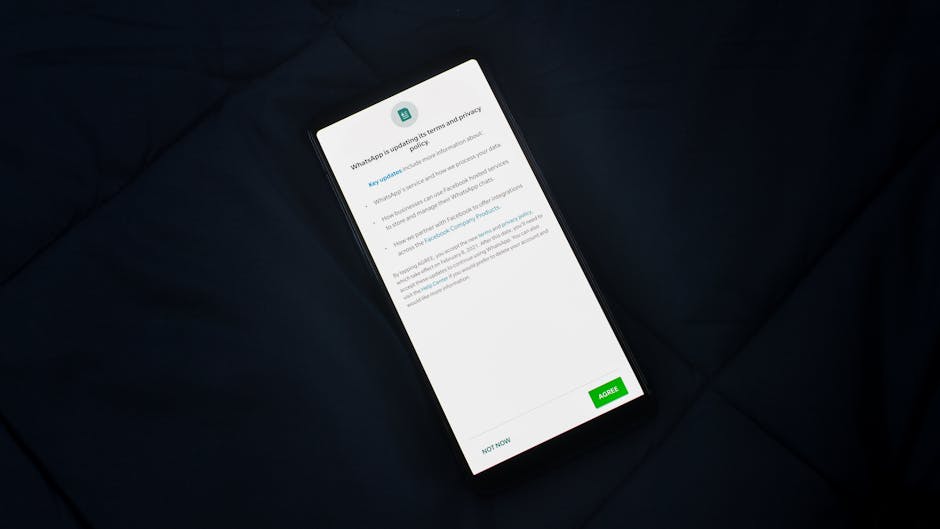
Under GDPR-focused compliance workflows, organizations need to be able to demonstrate accountability around consent collection and management. A banner alone does not prove much. What matters is whether your systems preserve evidence of the user interaction and the consent state that followed.
Good consent records help answer questions such as:
Without that evidence, teams often rely on fragmented screenshots, manual spreadsheets, or incomplete logs across multiple systems. That creates risk and slows down response times when proof is needed.
Consent records proof for GDPR should be practical, traceable, and exportable. While each organization may structure its workflows differently, the goal is consistent: create a dependable record that links a consent action to a specific point in time and a specific version of the consent experience.
A useful consent record typically includes:
The exact structure can vary, but the principle is the same: the record should help your team reconstruct what happened without guesswork.
Not all records are equally useful. A vague statement like “user consented” may not be enough for internal governance or external review. Teams are better served by records that show the consent event in context, especially when consent options are granular or when notices change over time.
This is one reason many organizations move away from disconnected tools. If accessibility, consent, and legal disclosures are handled in separate layers, proving the full picture can become difficult. A more unified approach can make evidence easier to maintain and retrieve. For a broader look at how a combined interface works, see Inside the 4-in-1 Widget: Accessibility, Consent, Legal and Company Info in One Script.
Logging is the foundation of consent evidence. It creates the event trail that shows what action took place and how your system recorded it.
At minimum, logging should capture the consent interaction itself and the resulting status. Depending on your setup, that may include initial choices, preference updates, consent withdrawals, and repeat visits where the stored preference is recognized.
Useful logging practices include capturing:
The objective is not to create noise. It is to create a record that is clear enough for compliance review and reliable enough for operational use.
One common challenge is that consent events may be split across analytics tools, tag managers, CMP layers, internal databases, and support systems. When records are fragmented, teams may struggle to verify which source is authoritative.
A stronger model is to centralize consent evidence or at least standardize how it is recorded and retrieved. This helps reduce manual work and makes audit preparation more manageable.
Consent is not static. Notices change, categories evolve, and users may update their preferences. Logging helps your team track that lifecycle rather than treating consent as a one-time event. This is especially important for organizations that need continuous compliance operations instead of one-off fixes.

Timestamping gives consent records their timeline. Without a clear timestamp, it becomes much harder to prove when consent was obtained, whether it predated a processing activity, or whether a later preference change replaced an earlier one.
A timestamp can support questions such as:
In other words, timestamping turns a static record into a chronological one.
The key is not collecting endless date fields. It is making sure the timestamp is consistent, retrievable, and linked to the actual consent event. If your records include multiple systems and formats, standardization becomes important so teams can interpret the data accurately.
For many organizations, this is where process design matters as much as tooling. If the consent event is logged in one place and the related notice version is stored elsewhere, the timestamp should still allow those records to be matched confidently.
Even well-logged records lose value if your team cannot export them when needed. Export capability is what turns stored consent data into usable proof.
Organizations may need to export consent records for several reasons:
In each case, speed and clarity matter. If exports require manual reconstruction from different tools, the process becomes slower and more error-prone.
A useful export should be understandable by the people receiving it, whether they work in privacy, legal, security, or digital operations. It should preserve the key context of the consent event rather than outputting only raw technical fields.
That usually means the export should make it easy to identify:
Exporting should support both day-to-day operations and higher-stakes audit scenarios.
Many organizations assume they can prove consent because they have a banner in place. In reality, evidence gaps often appear when teams try to retrieve records under pressure.
These issues are often operational rather than theoretical. They become visible when someone asks for proof and the team has to assemble it manually.
Audits tend to reveal whether your consent workflow is repeatable. If proving consent depends on one person knowing where to look, your process is fragile. If your platform helps log, maintain, and surface records consistently, your process is more resilient.
That is also why a cookie audit can be a useful starting point for identifying gaps in collection and governance. See How to Run a Cookie Audit on Your Website in 5 Steps for a practical overview.

Consent does not exist in isolation. It sits alongside accessibility obligations, legal disclosures, and technical website controls. When these are managed in disconnected systems, teams may spend more time reconciling evidence than improving compliance.
A unified platform approach can help by reducing fragmentation and supporting a more consistent compliance lifecycle. Instead of treating consent records as a side task, teams can manage them as part of broader digital compliance operations.
For organizations managing multiple obligations across web properties, this kind of structure can reduce operational friction and support stronger governance over time.
If you want stronger consent records proof for GDPR, start by reviewing your current workflow end to end.
If the answer to any of these is unclear, your team may have a documentation gap even if the front-end consent experience appears compliant.
Proving consent is really about proving process. Logging shows the event, timestamping places it in time, and exporting makes it usable when questions arise. Together, these capabilities help transform consent from a front-end interaction into a traceable compliance record.
For businesses that need to manage accessibility, cookie consent, privacy, and legal compliance together, a unified platform can make that process easier to run and easier to defend. Corpowid is built around that broader operational need, helping teams move from isolated controls to continuous digital compliance workflows.
If your current setup makes consent evidence hard to retrieve, hard to interpret, or hard to trust, it may be time to review how your records are captured and maintained across the full compliance lifecycle.
Consent records are stored proofs of a user’s consent-related actions, such as accepting, rejecting, or customizing preferences. They help show what choice was made, when it happened, and how it was recorded.
Timestamping helps establish when consent was obtained or updated. That makes it easier to show the sequence of events and connect a user choice to the relevant notice or processing activity.
Exports are important because records are only useful if they can be retrieved and shared for audits, investigations, internal reviews, or partner due diligence. Exporting turns stored data into usable evidence.
No. A banner may support consent collection, but proof usually depends on the quality of the underlying records. Logging, timestamping, and export capability are what make consent easier to demonstrate.
Start by reviewing whether your current process captures clear user choices, reliable timestamps, and retrievable records. Many teams also benefit from a more unified compliance workflow that reduces fragmentation between tools and teams.
Corpowid has been recognized by Gartner, a leading global research and advisory firm, for our innovation and performance in digital accessibility. These badges reflect our commitment to creating inclusive, AI-powered web experiences.








 TR
TR